The Problems AI Didn't Solve - An Honest Look
AI is great, but it's not magic. Here's what I learned AI still can't do well - and why that's actually okay.
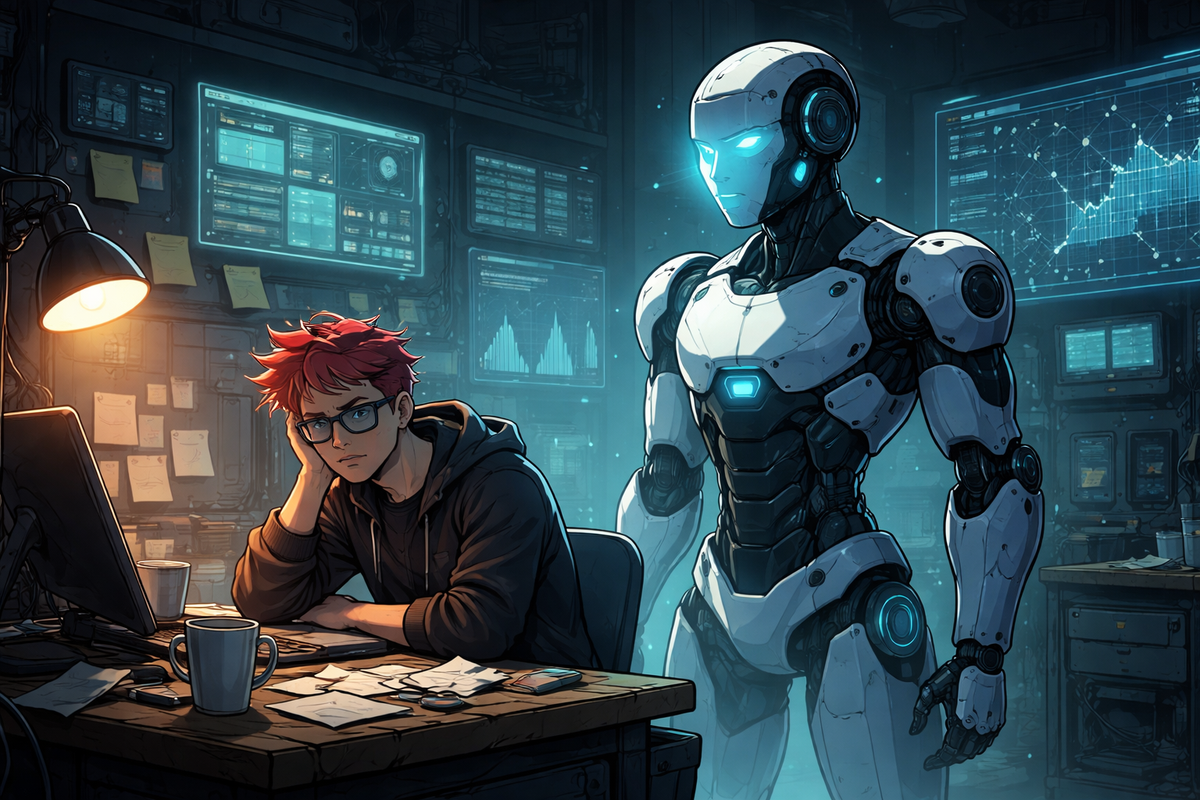
I've been using AI for almost a year now. Helped me write more, publish more, even build a product. But I'm not going to sit here and tell you it's perfect.
There are things AI still can't do. And honestly? Knowing what those are has been more valuable than knowing what it can do.
It Can't Feel What You Feel
Here's the thing: AI can write about emotions. It can even make me feel something when I read. But it doesn't actually feel anything.
When AI helps me draft something, it can say "this sounds hopeful" or "this feels sad." But it doesn't actually feel hope or sadness. It's pattern matching. It's guessing what those emotions should look like in text.
The implication? Sometimes the writing feels flat. Like something's missing. That's usually what's missing - the actual human feeling behind the words.
My Personal Experience
Early on, I asked AI to write a birthday message for my wife. It was technically correct. Happy birthday, love, appreciate her, all that. But when I read it, it felt... empty.
AI didn't know our story. It didn't know how she laughs, what makes her cry, inside jokes we share. It was writing generic birthday words because that's what birthdays usually have.
So I rewrote it. Added specific memories. Made it actually personal.
That's the difference. AI can write a birthday message. But it can't write OUR birthday message. Not without the context only I have.
It Can't Know What It Doesn't Know
AI hallucinates. That's just reality. It makes things up. Presents false information as fact.
The worst part: it does it with confidence. You'll never know unless you already know the answer.
I've caught AI (well, I caught it) making up statistics, fake quotes, invented sources. Now we double-check everything. Every claim, every number, every "fact."
The Example That Embarrassed Me
One time, I asked AI to write about Bitcoin's price history. It confidently wrote about events that never happened. Made up dates, fabricated price movements, invented regulatory announcements.
I knew better. I checked before publishing. Saved us from looking like idiots.
Now? Every time AI produces data, I verify. Every time it makes a claim, I check. It's a habit now.
What I learned: treat everything AI produces as a first draft. Always verify. Especially numbers. Especially quotes. Especially anything that sounds definitive.
It Can't Replace Taste
Here's what AI genuinely can't do: develop taste.
Taste is what makes you choose this word over that word. Taste is knowing when less is more. Taste is understanding your audience so well you can predict what they'll connect with.
AI can analyze patterns. It can mimic what works. But it can't develop an intuition. It doesn't have lived experience. It hasn't read enough to know what actually matters.
That's where the human still wins. Every time.
How This Shows Up
When I write, I make choices AI wouldn't make. I keep sentences it would delete. I cut paragraphs it thought were essential.
At first it seemed like AI knew better. Then I realized: I have taste. I know what I want my voice to sound like.
AI can mimic other voices. It can follow instructions to write like this person or that person. But it doesn't have its own taste. It doesn't have preferences that come from years of reading, failing, learning.
That's why the best writing still comes from humans. We have something AI can't manufacture.
It Can't Do Context The Way I Do
I know things about my life that I've never explicitly told anyone. My relationship with my parents. The way my hometown smells in the morning. The specific frustration of dealing with Malaysian bureaucracy.
AI doesn't have any of that. It can ask questions to learn, but it can't just... know.
This shows up in writing. The best content comes from specific, personal context. AI can help organize, but it can't inject the lived experience that makes writing resonate.
The Context Problem
I wrote about growing up in Malaysia. The specific struggles, the cultural nuances, the little things that only someone who's lived here would know.
AI helped organize it. It suggested structure. But it couldn't have written it. It doesn't know what it's like to grow up Malaysian. It doesn't have those memories.
The moments that made readers pause and say "that's so true" - those came from me. Not from AI.
Context is everything in writing. And AI just doesn't have it.
It Can't Care About Me
Here's the uncomfortable truth: AI doesn't care if I succeed. It doesn't want to help me. It's not motivated by anything.
That's fine, honestly. I don't need my tools to care about me. But I need to care about myself. I need to push back, question, edit.
AI will happily produce garbage if I let it. It'll write endless content that goes nowhere. I'll get what I put in.
The Passion Problem
When I get excited about a project, I can feel it in my prompts. When I'm bored, AI can probably feel that too.
But AI doesn't share that excitement. It doesn't get motivated by my wins. When something fails, it doesn't feel disappointment.
What does that mean? It means the energy comes from me. AI can reflect it back, but it can't generate it. The spark has to be mine.
That's why the best AI work still comes from humans who care about what they're making.
Why This Is Actually Good
Knowing AI's limitations is liberating.
It means there's still a place for me. Not as a prompter, but as a thinker. A curator. A human with taste, context, and care.
The best use of AI isn't to replace my brain. It's to offload the stuff my brain shouldn't waste time on. Formatting, researching, outlining.
The stuff that requires a human? That's where I stay.
The Bottom Line
AI is a tool. Powerful one. But a tool nonetheless.
It can't feel. It can't stop lying. It can't develop taste. It can't know what I know. It can't care.
And that's fine. I don't need it to.
I just need to know when to use it, and when to do it myself.
My Challenge To You
Next time you use AI, notice where it helps and where it doesn't. Pay attention to the moments where your human judgment makes the difference.
That's your value. That's what you bring to the table.
Don't let anyone tell you it's obsolete.
What's your experience with AI's limitations? Drop a comment - I'd love to hear what you've noticed.