I Hired An AI To Help Me Write - Here's What Happened
My real journey using AI to help with writing. What worked, what didn't, and why I still write in my own voice.
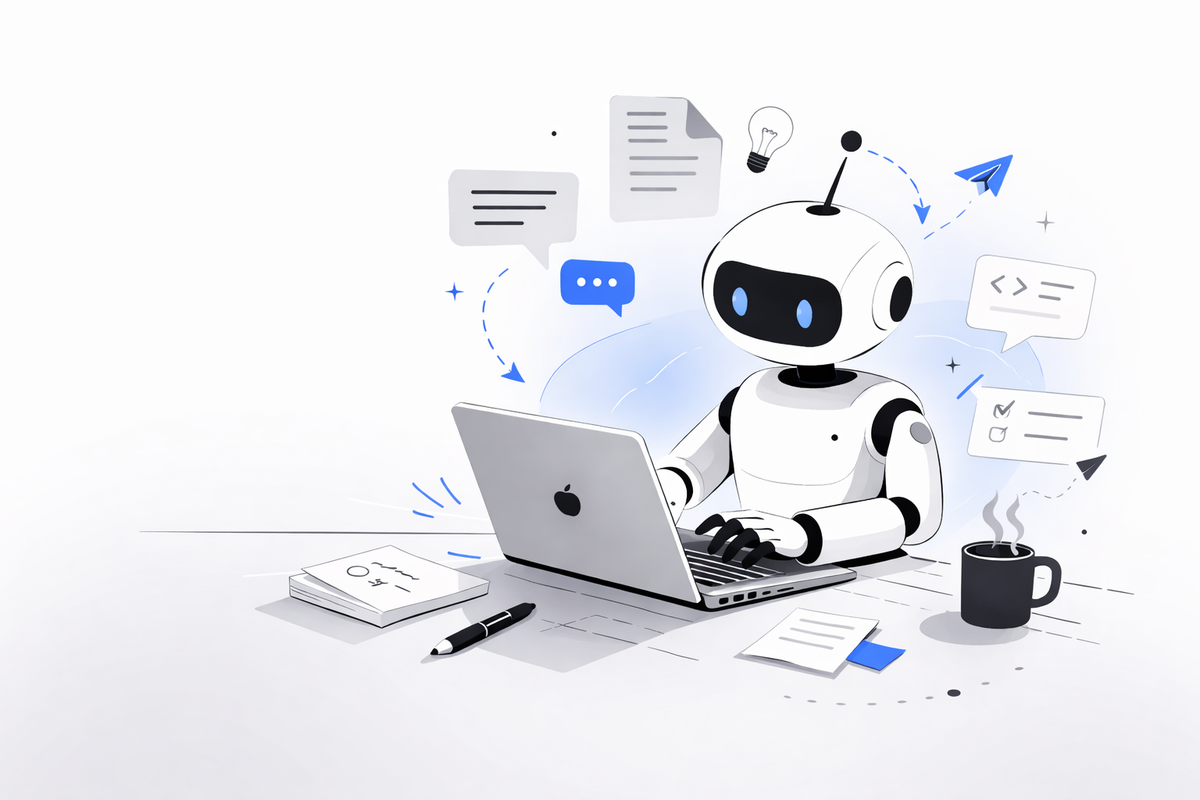
I still remember the first time I used AI to write something.
It was late at night. I had a blog post due the next morning. I was staring at a blank screen, ideas in my head but words not coming out. Frustrated, I opened ChatGPT and typed: "Write a blog post about why saving money matters for young Malaysians."
What came back was... fine. Technically correct. But flat. Robotic. Like something written by someone who'd never actually struggled with money.
I deleted it.
The Second Attempt
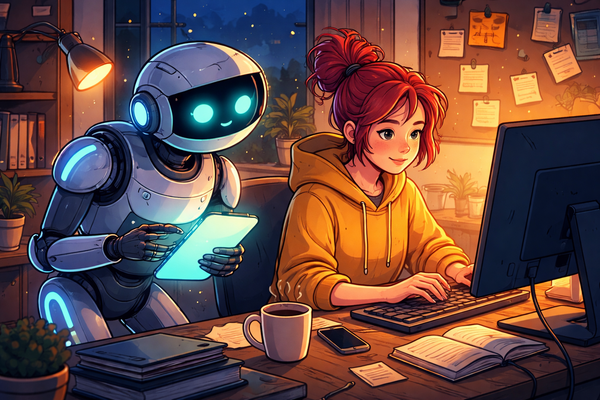
A few weeks later, I tried again. This time I didn't ask AI to write FOR me. I asked it to help me write BETTER.
"Help me outline a blog post about ASB," I typed. "I'm a Malay speaker targeting young professionals who want to start investing but don't know how." This was different. The outline that came back made sense. It hit points I would have hit. Structure I would have used.
I wrote the actual post myself. AI just helped me organise my thoughts.
That's when it clicked.
What Actually Works
Here's what I've learned after months of using AI to help with writing:
AI is great at organizing thoughts when you give it context. Tell it who you're writing for, what you want to say, the angle you're taking. Then let it help you structure things.
But the voice? The personality? The actual insights? That's still on you.
The worst articles I've written were the ones where I let AI do too much. They felt empty. Like something missing.
The best articles? I wrote those myself, with AI as a thinking partner. "Does this flow?" I'd ask. "Is this point clear?" "What am I missing?"
The Setup I Actually Use
No fancy system. No complicated prompts. Just a simple workflow:
I start with my own notes - what I want to say, why it matters, examples from my experience. Then I use AI to help me structure it. Then I write the actual words myself.
After writing, I use AI to check for clarity. Not to edit for me, but to point out where things are confusing.
Then I rewrite. Always in my own voice.
The Real Benefit
After using AI to help with writing for almost a year now, here's what actually changed:
I write more consistently. The blank screen problem still happens, but I have a way to push through it now. I don't wait for inspiration - I work with what I have.
I edit more confidently. When something feels off, I can ask AI and usually get useful feedback. Not always, but usually.
I publish more. Used to let posts sit in drafts for weeks. Now I finish them faster and actually put them out there.
What Didn't Work
Let me be honest about what flopped:
Asking AI to write full articles - never sounded like me. Readers could tell. It felt generic.
Over-relying on AI for ideas - AI can remix existing ideas, but it can't have original thoughts based on real experience. Those are the posts that actually resonated.
Perfectionism with AI - sometimes I'd spend hours refining AI-generated content when I should have just written my own version.
Would I Go Back?
Sometimes I wonder what my writing would look like if I never discovered AI. Probably slower. Maybe less consistent.
But also maybe more original? Hard to say.
What I know is: I don't use AI because I'm lazy. I use it because it helps me think. And when I use it right, my writing is still mine - just better organised, clearer, more consistent.
The Bottom Line
If you're a writer considering AI: start by using it for what it's actually good at. Organisation. Clarity checking. Overcoming blocks.
Don't use it to write for you. That's the shortcut that leads to boring content.
Use it as a thinking partner. That's where the magic is.
If you've tried using AI for writing, I'd love to hear about your experience. What worked? What didn't? Drop a comment - let's compare notes.